





Is It the Plastic Detox… or Just Motherhood Kicking In?
Ten years ago, when I first became a mom (eeek, saying that out loud feels wild), something shifted in me. It wasn’t just motherhood, though. At the same time, our family was navigating my dad’s metastatic cancer diagnosis, and so many conversations with doctors kept coming back to the same things—what we put in our bodies, how we live day to day, inflammation, and the long-term impact of our habits. It wasn’t overnight, and it definitely wasn’t perfect, but that season pushed me to start paying closer attention to what I was putting in my kids’ bodies, what I was putting on their bodies, and the habits I was quietly teaching them every single day.
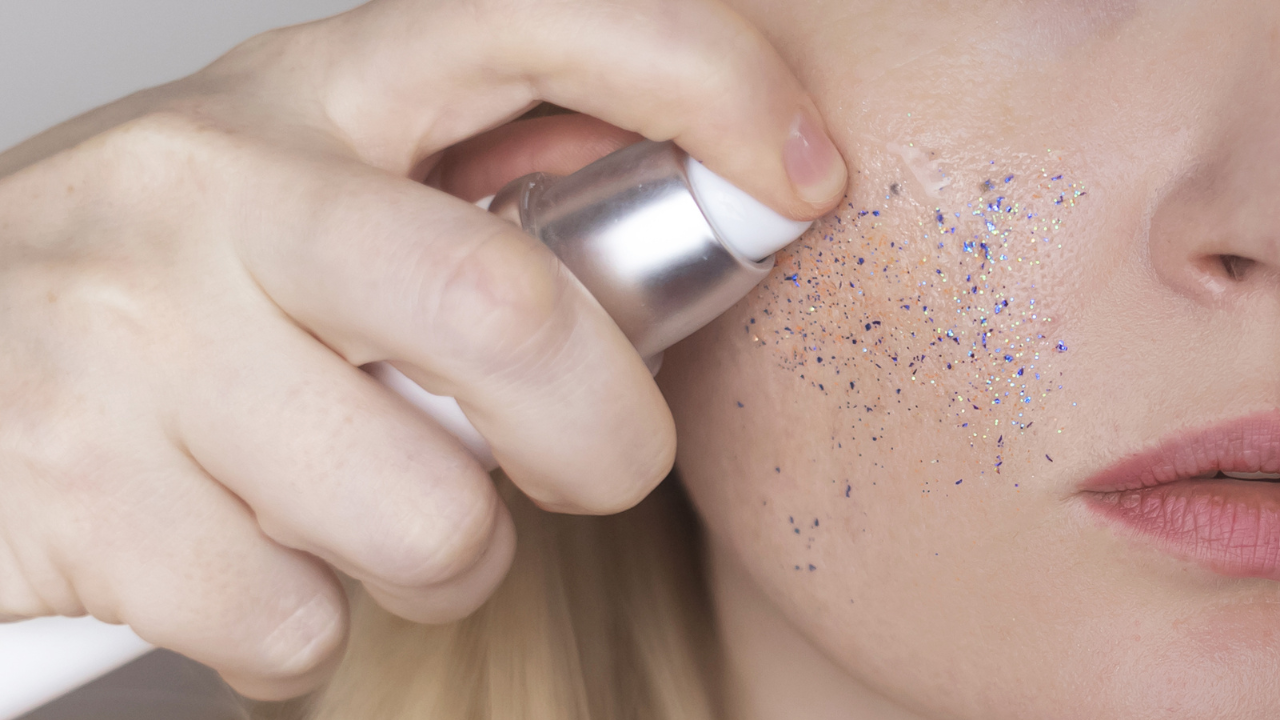
It started pretty simply. I questioned ingredients in lotions and soaps, skipped the heavily fragranced stuff, and moved away from the “fun” products that, if we’re being real, were more about marketing than what was actually good for their skin and health. Bath & Body Works Roll-On Glitter anyone?! Raising girls especially, and watching more and more conversations around early puberty, hormone disruption, and infertility, it felt like something I couldn’t ignore.
I’m not here to tell anyone to flip their entire life upside down or go all-in on anything extreme. That’s never been my style. But over the years, I’ve made small, intentional swaps in our home that add up. And after hearing more information like what’s discussed in The Plastic Detox, it’s one of those moments where you realize… I’m really glad we started making these changes when we did.
 Here are some of the changes we’ve made over time that have stuck and actually made a difference in our everyday life:
1. Ditching plastic bags (this was the gateway change for me)
This one goes way back to early Mid-Michigan Moms days when Jess Spooner talked about cutting out plastic bags via sustainable swaps. At the time, I was focused on the waste, not necessarily what it meant for our health. I switched to reusable bags and have had the same ones since my kids were little. I use these Stasher bags for snacks, lunches, leftovers, food storage, and travel. Yes, the upfront cost feels like a lot, but when you think about how many boxes of plastic bags you go through over a decade (and end up in a landfill), it more than pays for itself – not just for your health but for the earth and your wallet as well.
2. Switching to glass food storage
Once I started thinking about heating food in plastic, I couldn’t unthink it. Research shows that heat can increase the leaching of chemicals from plastic into food, especially with repeated use. We transitioned to glass storage containers and never looked back. I love that they can go from fridge to oven to dishwasher, and there are plenty of affordable options at places like Costco, Target, and Sam’s. It’s one of those changes that feels like nothing but a win.
3. Upgrading lunch gear to stainless steel
I was fully committed to plastic bento boxes for years because I thought I was doing better by eliminating single use plastics. But even “BPA-free” plastic can still break down over time, especially with heat and wear. So I did some research after my 6th warped Bento ended up in the recycling bin and landed on stainless… which worked out better than expected. Here are our household faves:
- Bento boxes: shop here
- Dip + snack containers: shop here
- Extra containers for lunches/travel: shop here
- Square/rectangle options: shop here
- Smaller snack containers (perfect for fruits, veggies, or DIY dunkaroos): shop here
- Snacklebox: shop here
These have been in rotation for years with no warping, and we use them way beyond just school lunches.
4. Going back to real plates and cups
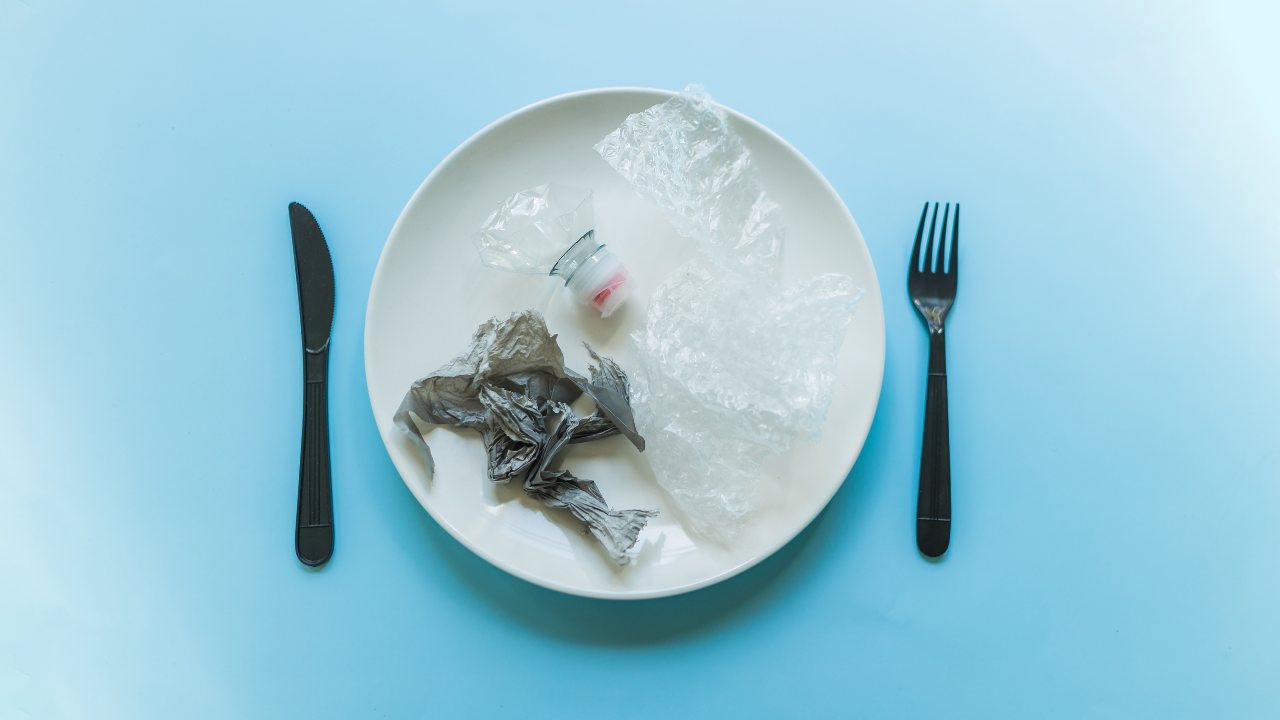
We made a conscious effort to move away from paper plates and plastic dinnerware for everyday use. Disposable plates often have coatings that can transfer into food, especially with heat, and plastic dishes wear down over time. Not to mention those little shards of plastic or cut marks you see – yeah that plastic going right into your body.
For everyday use, we stick to real plates and glass cups. When we need something more durable for kids or outside, stainless cups have been a great option. It’s a simple shift, but one that cuts down on both waste and exposure.
 5. Replacing plastic mixing bowls
This was one I didn’t think about until I started cooking more consistently. Stirring, scraping, and mixing – especially with warm ingredients – can all contribute to microplastic exposure over time.
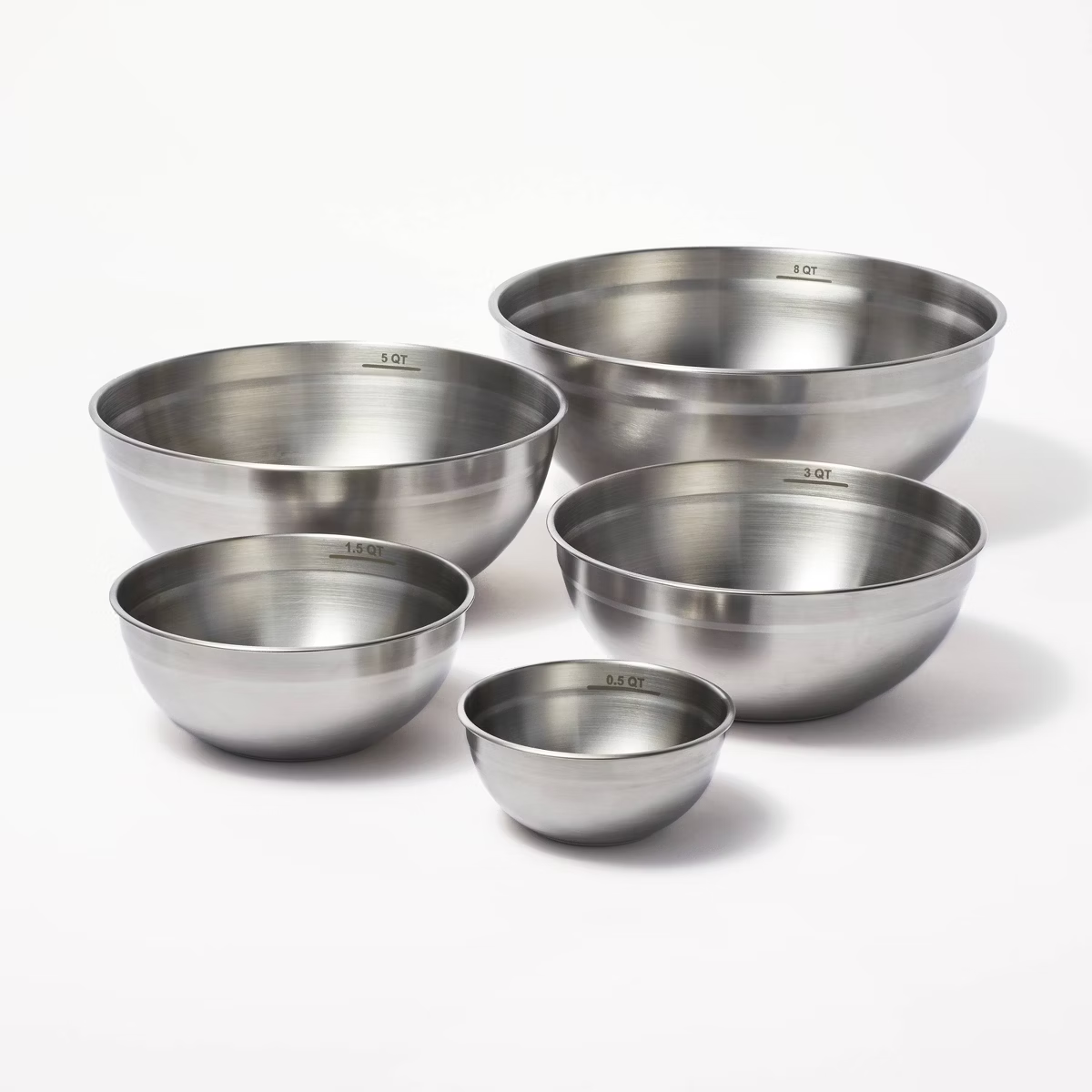
I swapped out my plastic bowls for glass and stainless options and love this nesting set. They’re practical, easy to store, have non-slip grip on bottom, and feel like something I won’t have to replace.
 6. Switching to wood cutting boards
If you haven’t looked into plastic cutting boards, it’s worth it. One study published in Environmental Science & Technology estimated that regular use could expose people to anywhere from 14.5 to 71.9 million microplastic particles annually. That stopped me in my tracks.
We switched to real wood cutting boards (found locally made), and when they’re properly maintained, they’re naturally antimicrobial and hold up really well. There are a ton of options and brands, just make sure to read so you don’t get duped!
7. Rethinking cleaning and laundry products
Newborn clothes. This is where I started paying attention to ingredients. Studies on something as simple as laundry detergent will BLOW YOUR MIND. I’ve leaned into Truly Free and Branch Basics for not just our clothes but also dish soap (the Truly Free dishwashing detergent will change your life, promise you that), and one of the unexpected perks is using glass bottles instead of constantly cycling through plastic cleaning containers.
It feels like a major win – fewer questionable chemicals, carcinogens, plastic (tide pod or dawn pod, anyone?!) and less plastic waste in our home.
8. Ditching the Keurig
This one hurt a little because because my husband loved the convenience. But once we started thinking about hot water running through multiple layers of plastic, it changed our perspective.
Keurig-style machines have been shown to release microplastics and nanoplastics into coffee due to heat interacting with plastic components. Switching to a glass coffee maker or a stainless French press has been easier than expected and feels like a better long-term choice for our entire family.
9. Eliminating bottled water
We used to grab bottled water without thinking twice, especially with kids and busy schedules. But the numbers are hard to ignore. The U.S. alone uses tens of billions of plastic water bottles each year, and many end up in landfills or the environment, where they can take hundreds of years to break down.
There’s also the concern of bottles sitting in heat or going through temperature changes, which can increase chemical leaching.
We now use a filtered water system at home and refill stainless steel bottles daily. Also something I didn’t realize for a long time – most standard Brita filters are designed for taste and chlorine, not microplastics. If you don’t have access to a built in filtration system or dont want to break the bank there are a lot of amazing counter top systems that in one year will give you a great ROI (in money and your health) –
Before it sounds like I’m standing on a soapbox just know none of these changes happened overnight, and we’re not perfect – and still have A LOT of plastic in our home. The swaps above have been layered in over the last ten years, shaped by what I’ve learned, what I’ve questioned, and what felt realistic for our family. Hearing more conversations like The Plastic Detox just reinforces that these small decisions matter.
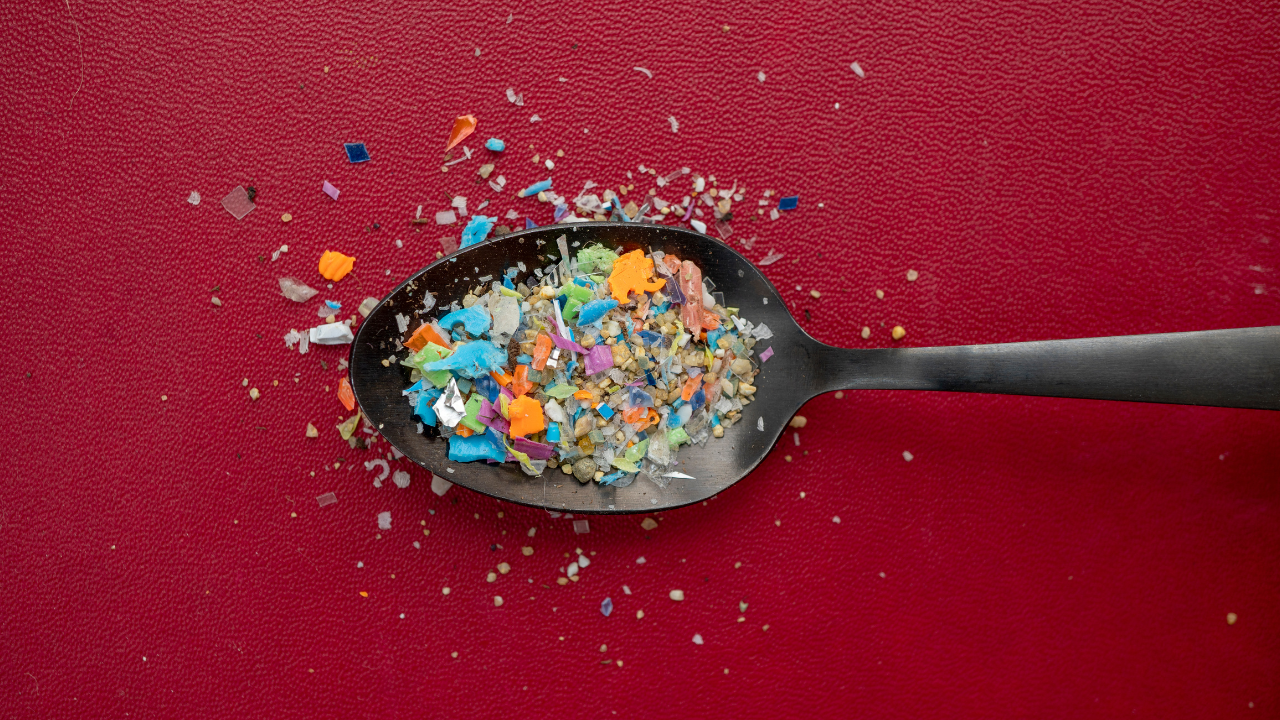
Microplastics have now been found in human blood, placentas, and even lung tissue. Some estimates suggest the average person may ingest tens of thousands of microplastic particles per year through food, water, and air. That doesn’t mean panic – it just means awareness matters.
It’s not about fear or perfection. It’s about paying attention, making better choices where you can, and knowing those small changes add up over time.
Have you made any changes in your home after learning more about plastics or hearing about The Plastic Detox? I’d genuinely love to hear what’s worked for you.